





How to Choose the Right Compression Garment After Liposuction
How to Choose the Right Compression Garment After Liposuction
After liposuction, a compression garment is one of the most commonly used products during the recovery period. It does more than simply provide support and comfort—it may also help the treated area feel more secure, improve daily comfort, and provide balanced compression as recommended by the physician. With so many options available, many customers find it difficult to know which garment is the right choice.
In this guide, we explain the most important points to consider when choosing the right compression garment after liposuction, including size, design, compression level, and whether lipo foam may be used with the garment.
Why Is a Compression Garment Important After Liposuction?
A compression garment is often recommended after liposuction because it may help with:
- Providing support to the treated area.
- Improving comfort during daily movement.
- Applying more balanced compression.
- Helping the garment feel secure and practical during recovery.
However, the right garment may vary from one person to another depending on the treated area, body shape, and the doctor’s instructions.
1) Identify the Treated Area
The first step is to know exactly which area was treated. If the procedure was limited to the abdomen and flanks, you may need a garment focused on the midsection. If the treatment included the thighs or multiple areas, a longer or more full-coverage garment may be more suitable.
In general:
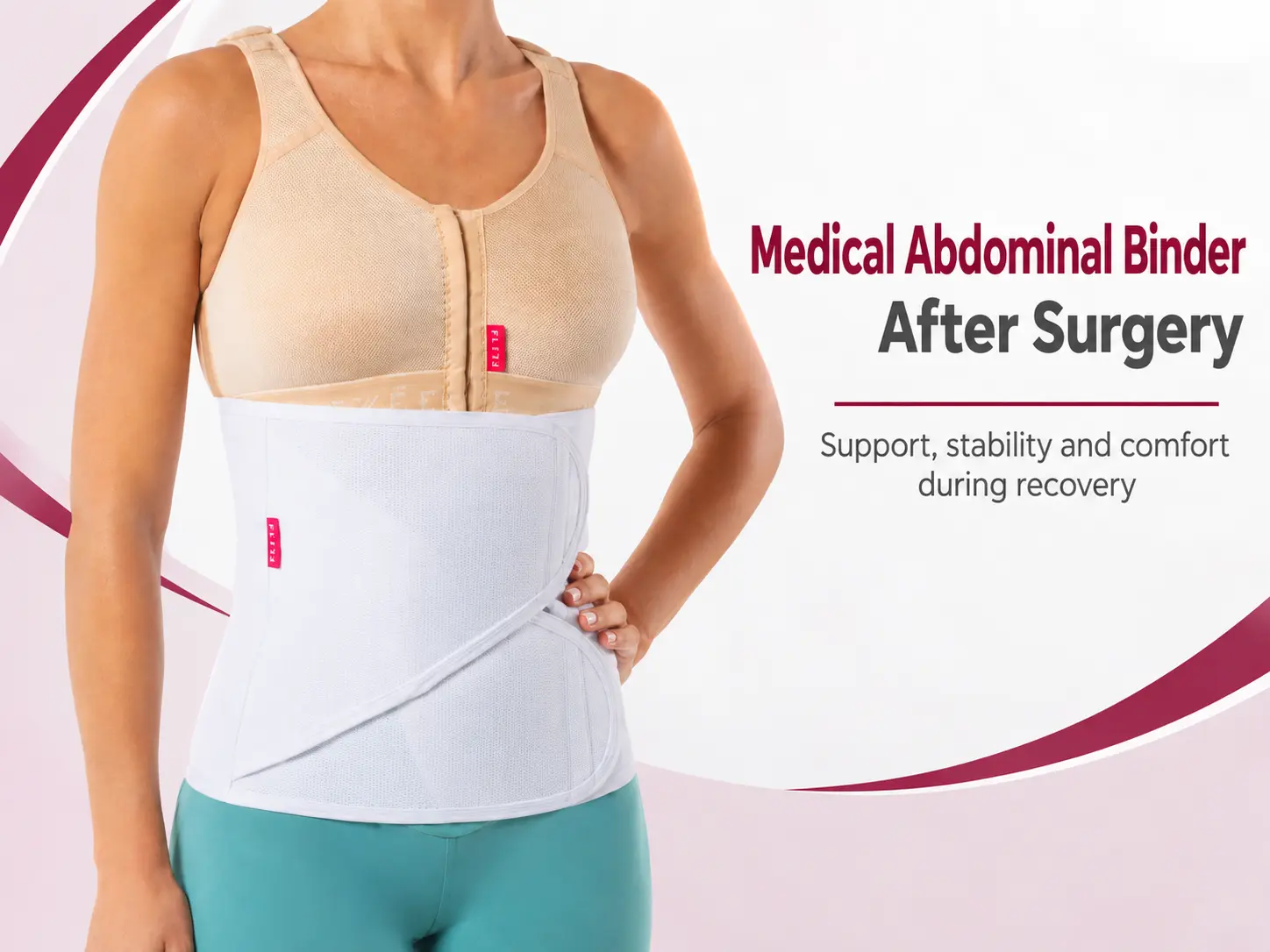
- For the abdomen and waist: choose a garment that supports the torso comfortably.
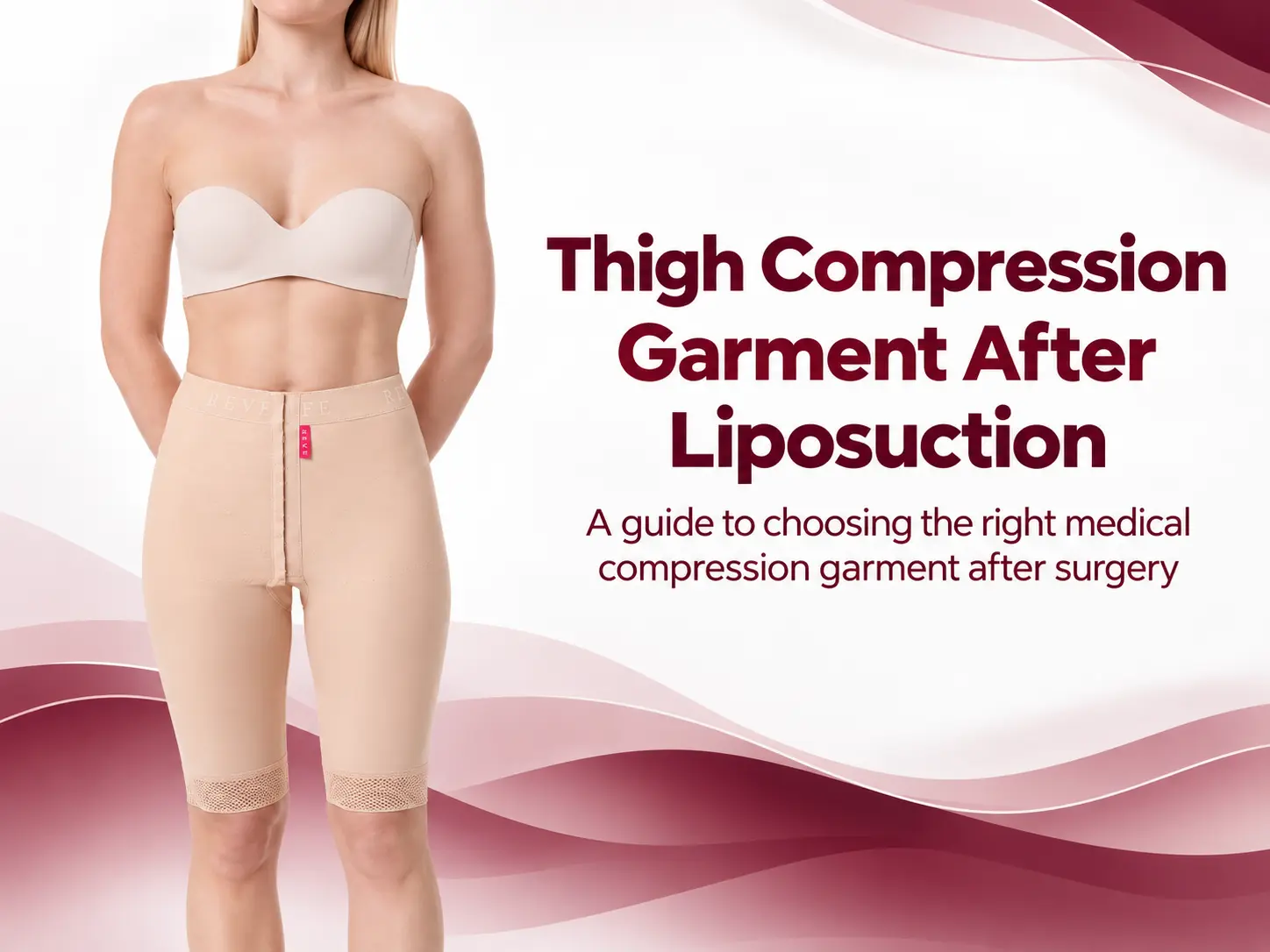
- For the abdomen and thighs: a longer design may be more suitable.
- For multiple areas: a full-coverage style may provide a more balanced fit.
2) Choose the Correct Size
Size is one of the most important factors. The garment should not be so tight that it becomes uncomfortable, and it should not be so loose that it loses its practical benefit. The right fit should provide support and a secure feeling without causing excessive discomfort, restricted movement, or difficulty sitting comfortably.
To choose the correct size:
- Always refer to the product size chart.
- Take your measurements carefully according to the instructions.
- Do not rely only on your regular clothing size.
- If you are between two sizes, review the product details or contact support before ordering.
Signs that the garment may not fit properly include:
- Excessive tightness or discomfort.
- Rolling, bunching, or uneven pressure.
- A loose fit that does not stay in place well.
3) Consider the Compression Level
Not all garments provide the same level of compression. Some are made for lighter daily support, while others provide a firmer, more structured feel. That is why it is important to choose a garment that matches your needs and your stage of recovery, while following your doctor’s instructions.
During the early recovery period, many people prefer a comfortable design with balanced support and easy wearability. If your doctor recommends a firmer design, then the product should be selected accordingly.
4) Choose a Practical and Comfortable Design
A well-designed garment is just as important as choosing the right size. When selecting a compression garment after liposuction, consider the following:
- A front zipper or practical closure for easier wear and removal.
- Comfortable, skin-friendly fabrics.
- Appropriate coverage for the treated area.
- A style that works well for daily wear and under clothing.
- A design that allows easier movement throughout the day.
5) When Might You Need Lipo Foam?
In some cases, lipo foam may be used with the compression garment based on the doctor’s recommendation. It may help improve pressure distribution underneath the garment and provide additional comfort in certain areas.
If your recovery plan includes lipo foam, it is important to choose a garment with the right size and design so it can be worn comfortably over the foam.
Suggested Product from Our Store
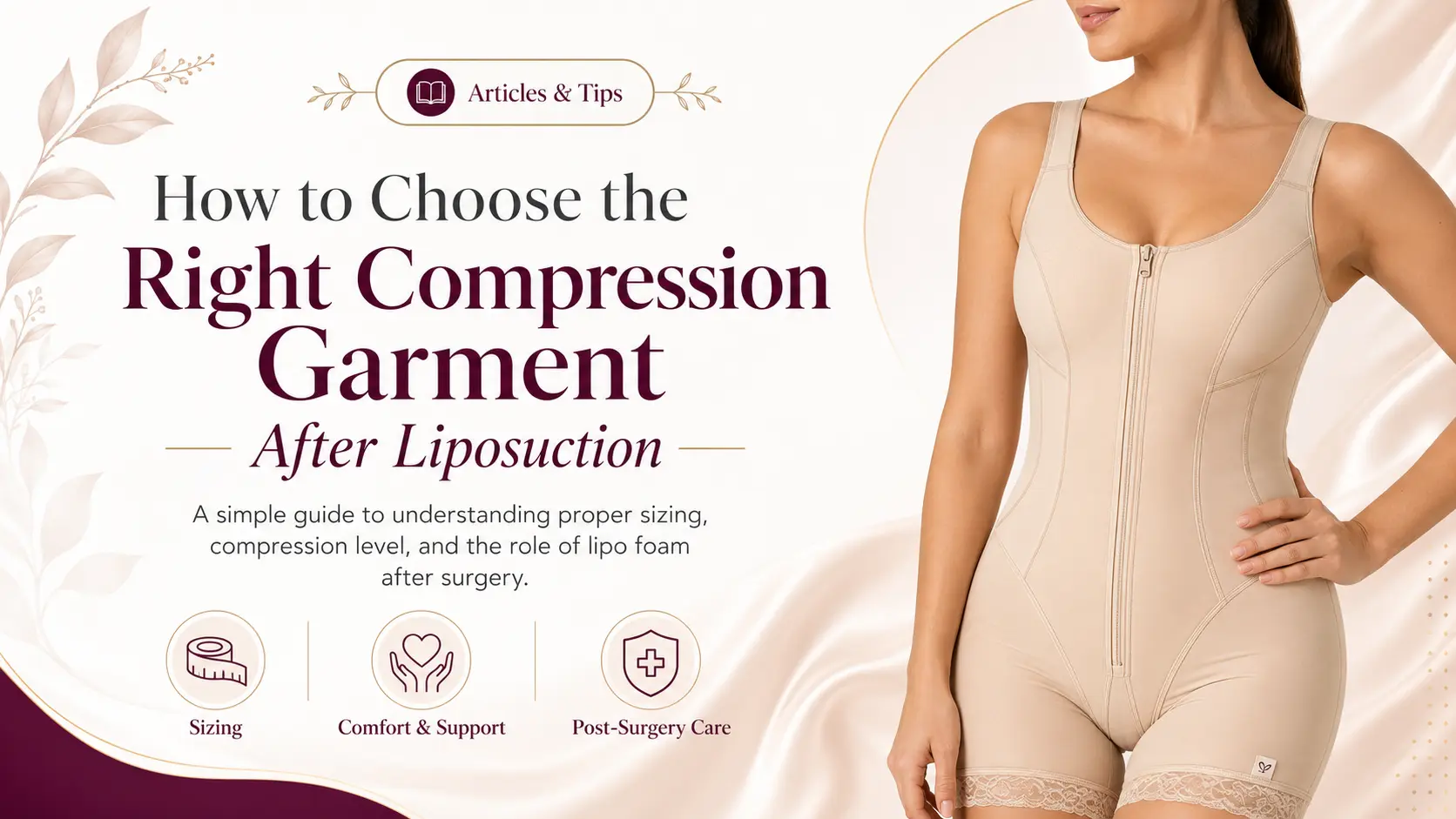
Full-Body Compression Garment After Liposuction
If you are looking for a practical option after liposuction, a full-body compression garment may be a suitable choice to support the abdomen, waist, and thighs, while offering a comfortable design for everyday wear during recovery.
Who is it suitable for?
It may be suitable for customers looking for support in the abdomen, flanks, or thighs,
especially when broader coverage and a practical design are preferred.
Important Tips Before Ordering
- Read the product description carefully before placing your order.
- Check the size chart for each product.
- Choose a design based on the treated area, not appearance alone.
- If you are unsure about sizing, ask before ordering.
- Always follow your doctor’s post-surgery instructions.
Frequently Asked Questions
Can I choose the garment based on my regular clothing size?
Not always. Medical compression garments often have their own sizing system, so it is best to use the product size chart.
Is a tighter garment always better?
Not necessarily. The right garment should provide support and comfort, not excessive pressure or discomfort.
Do I need lipo foam with every garment?
Not in every case. It depends on the doctor’s recommendation, the procedure, and the treated area.
When should I change the size?
If the garment feels too loose, uncomfortable, or no longer stays in place properly, it may be time to review the size.
Can I wear the garment under clothing?
Yes. Many designs are suitable for daily wear and can be comfortably worn under clothes.
Conclusion
Choosing the right compression garment after liposuction depends on several important factors: the treated area, the correct size, the compression level, the design, and whether lipo foam is part of your recovery plan. The more carefully you choose, the more comfortable and practical the garment may feel during recovery.
If you are looking for suitable options, you can browse our collection of medical compression garments and choose what best fits your needs.
Note: This content is for educational purposes only and does not replace medical advice or your surgeon’s instructions.