





Compression Garment After Arm Lift: How to Choose Length and Size
Compression Garment After Arm Lift: What Should You Look For?
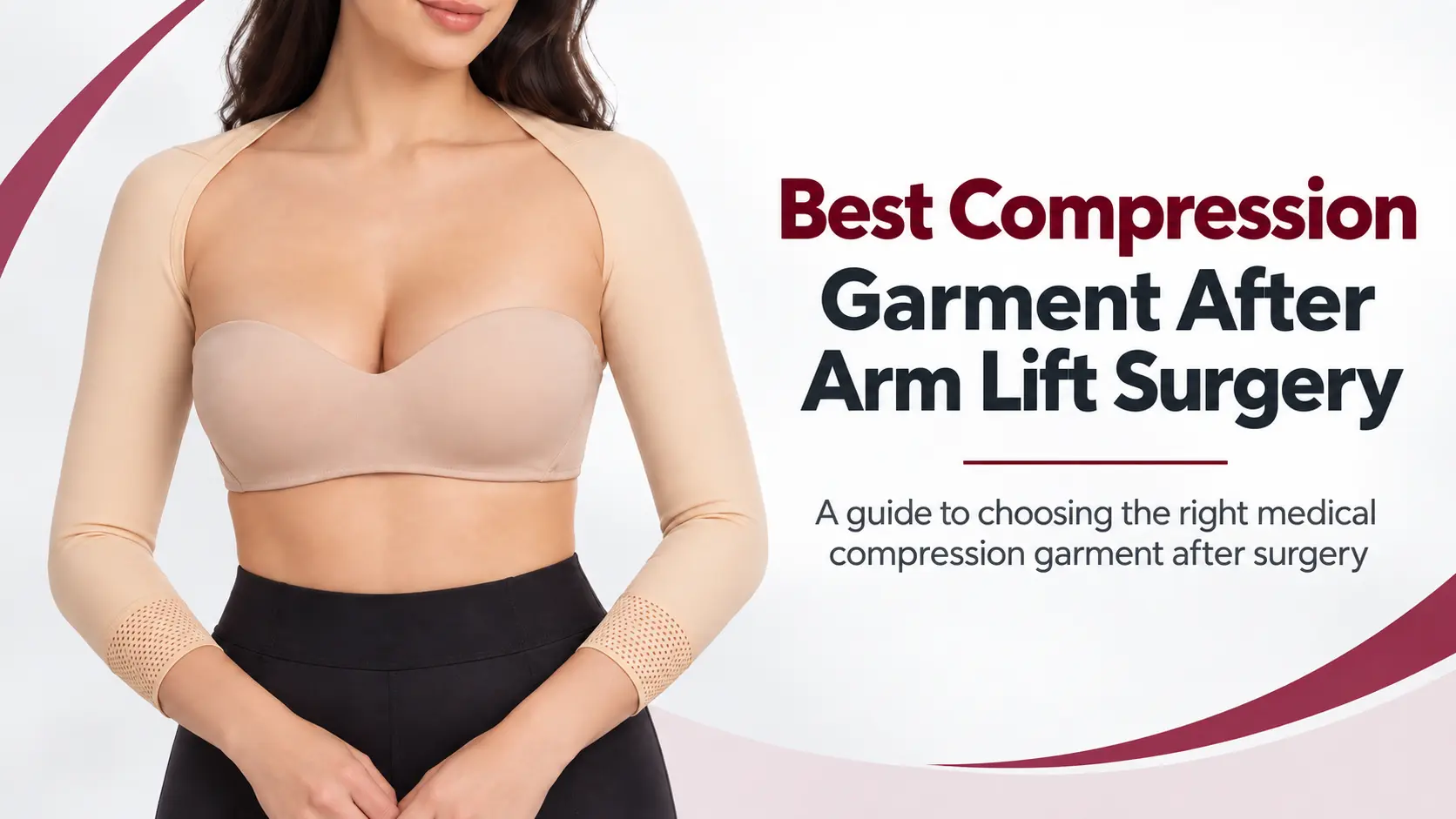
Arm procedures vary. Some focus on brachioplasty, while others combine skin tightening with liposuction or extend into the upper back. The garment should therefore match the treated area rather than being chosen by appearance alone.
Match Coverage to the Procedure
For arm-focused procedures, compare the REV.200 arm-lift garment with the REV.202 long-sleeve garment. If treatment extends into the upper back or chest, review broader designs in the chest, back and arm category.
How to Choose Arm Size
Upper-arm circumference is a key measurement for many models. Use a flexible tape exactly where the product chart indicates. Do not guess when postoperative swelling is changing; use the chart and your clinician's guidance.
Useful Design Features
- Sleeves that cover the treated area.
- Adjustable closure when available.
- Fabric that is practical to put on and remove.
- Construction designed to reduce unnecessary rubbing.
Do You Need Upper-Back Coverage?
If upper-back or underarm areas were treated, a broader garment can be more appropriate than arm sleeves alone. Compare REV.201, REV.203 and REV.204 by coverage before ordering.
FAQ
Should I always choose a long sleeve?
No. Sleeve length should match the treated area and your surgeon's instructions.
Can I sleep in the garment?
Your surgeon should determine daytime and nighttime wear.
When should I reassess size?
If the garment becomes too loose or causes uncomfortable pressure, reassess fit with your clinician.
Conclusion
Choose an arm compression garment by procedure coverage first, then sizing, closure and comfort.
Related Guides Before Ordering
- How to choose the right compression garment size
- How long to wear a compression garment after liposuction
Note: Follow your surgeon's instructions for timing and duration of wear.